
October 2026 Updates
There’s a lot happening at Plimmerton Farm at the moment, although some of the most important work isn’t necessarily the most visible. We’ve finished pouring the reservoir foundation, the wastewater tank panels are being joined together, and the team is preparing the site for the next earthworks season. Meanwhile, the farm is still very much a working farm.
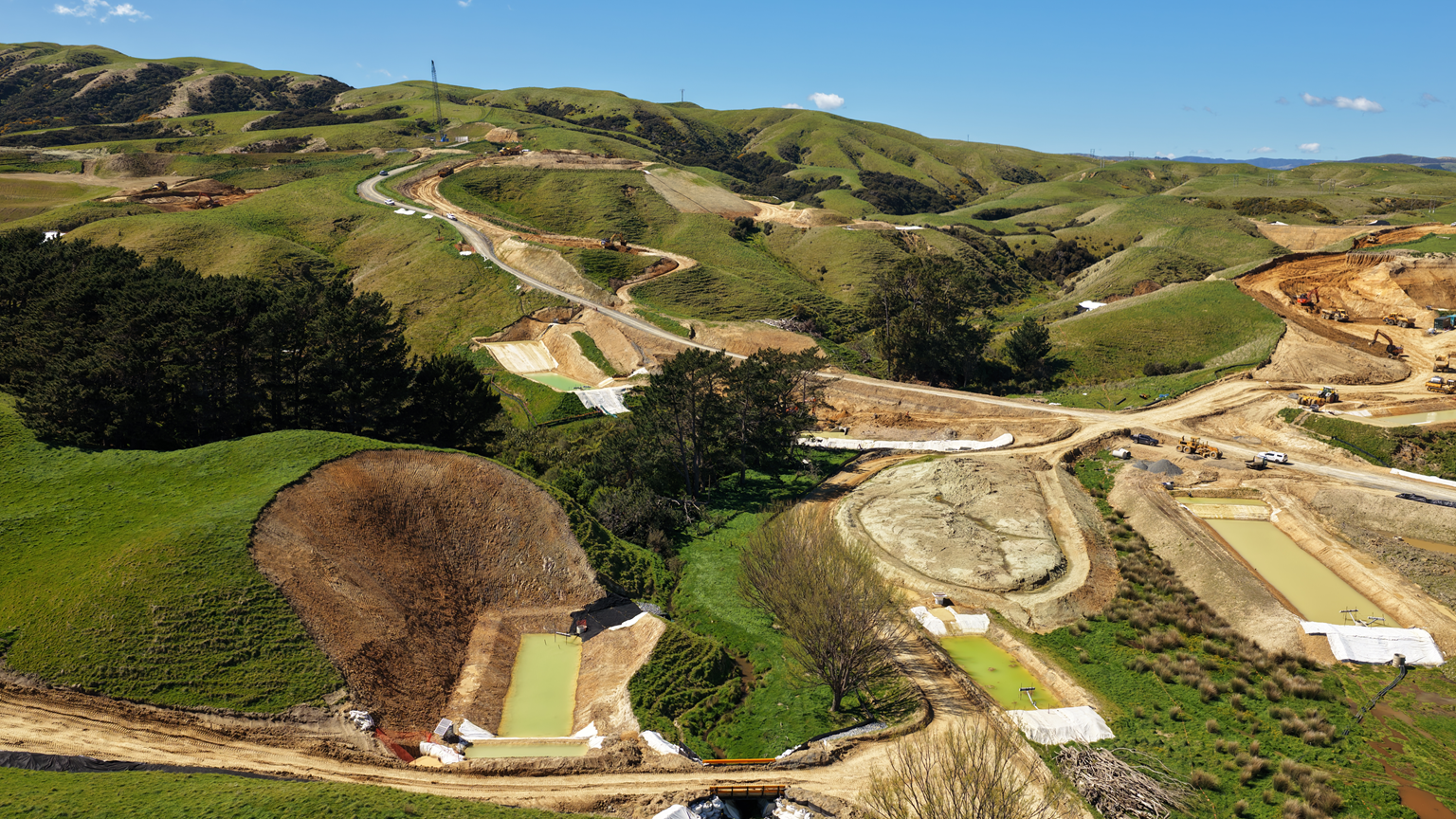
Getting ready to move more earth
Before we can open up another area of the site, we need to have the right sediment controls in place. These ponds collect runoff from earthworks and allow sediment to settle before the water reaches nearby streams.
One of the new ponds has taken a bit more thought than usual. There’s a stream close to the hillside, and there simply wasn’t enough room to fit a conventional pond between the two. The team has had to cut back into the hill to make the space we need.
That pond will serve the fill area above it. Once it’s operating, we can start opening up the fill site and progressing the road. It’s a good example of the order things have to happen in: first we put the environmental controls in place, then we move the earth.
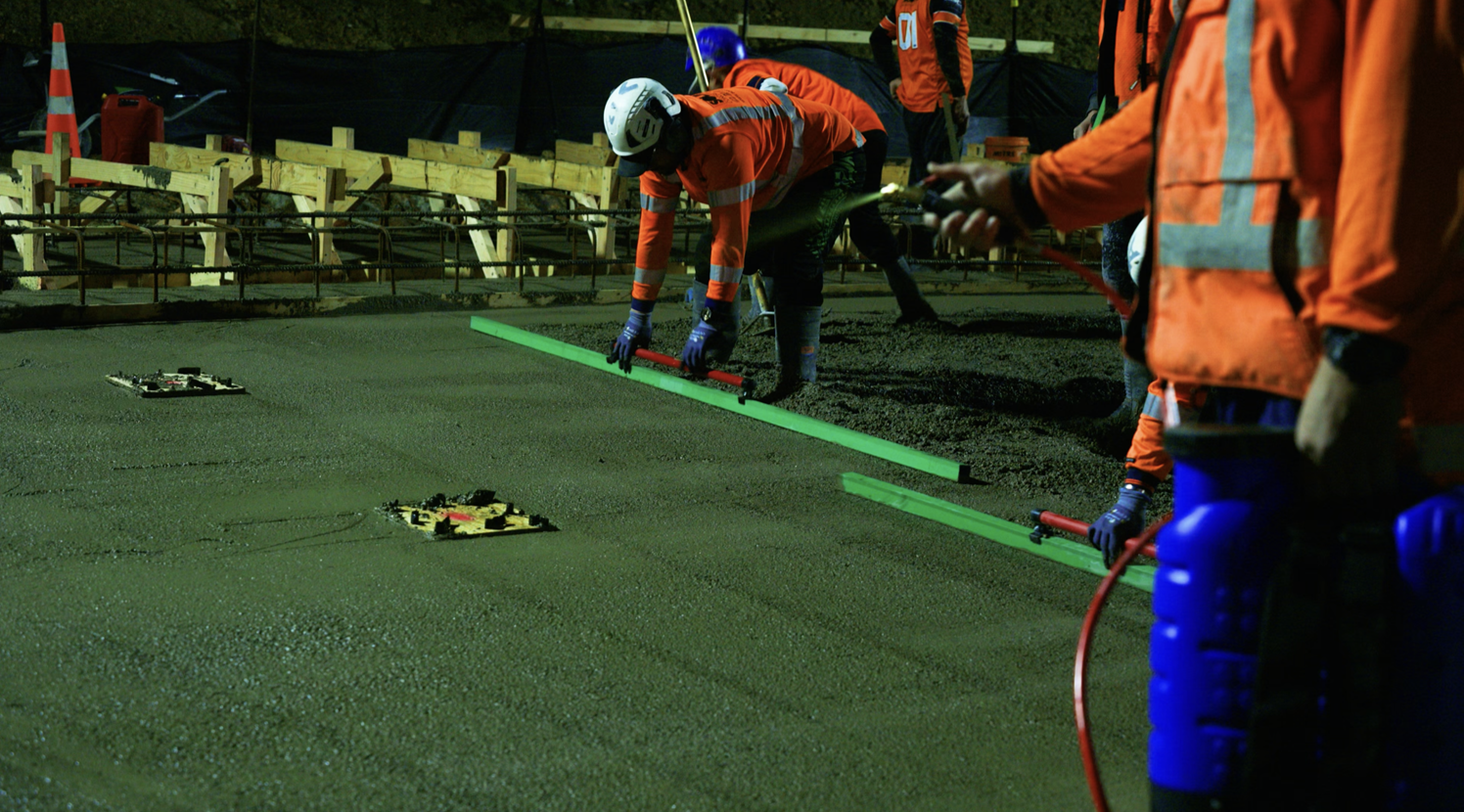
A finished foundation for the reservoir
The reservoir foundation is now poured, which is a significant milestone for the team. A pour of this size involves far more than getting concrete onto the site. From the first trucks through to the last, the concrete was checked to make sure it could flow properly around the reinforcing steel while still meeting the required strength.
The team also took samples that will be tested as the concrete cures. During the pour, mechanical vibrators helped remove trapped air, and the surface was levelled and finished in stages. With the reservoir sitting in such an exposed position, managing how quickly the fresh surface dried was especially important.
It was a long, carefully timed process, but we now have the base that will support the reservoir walls.
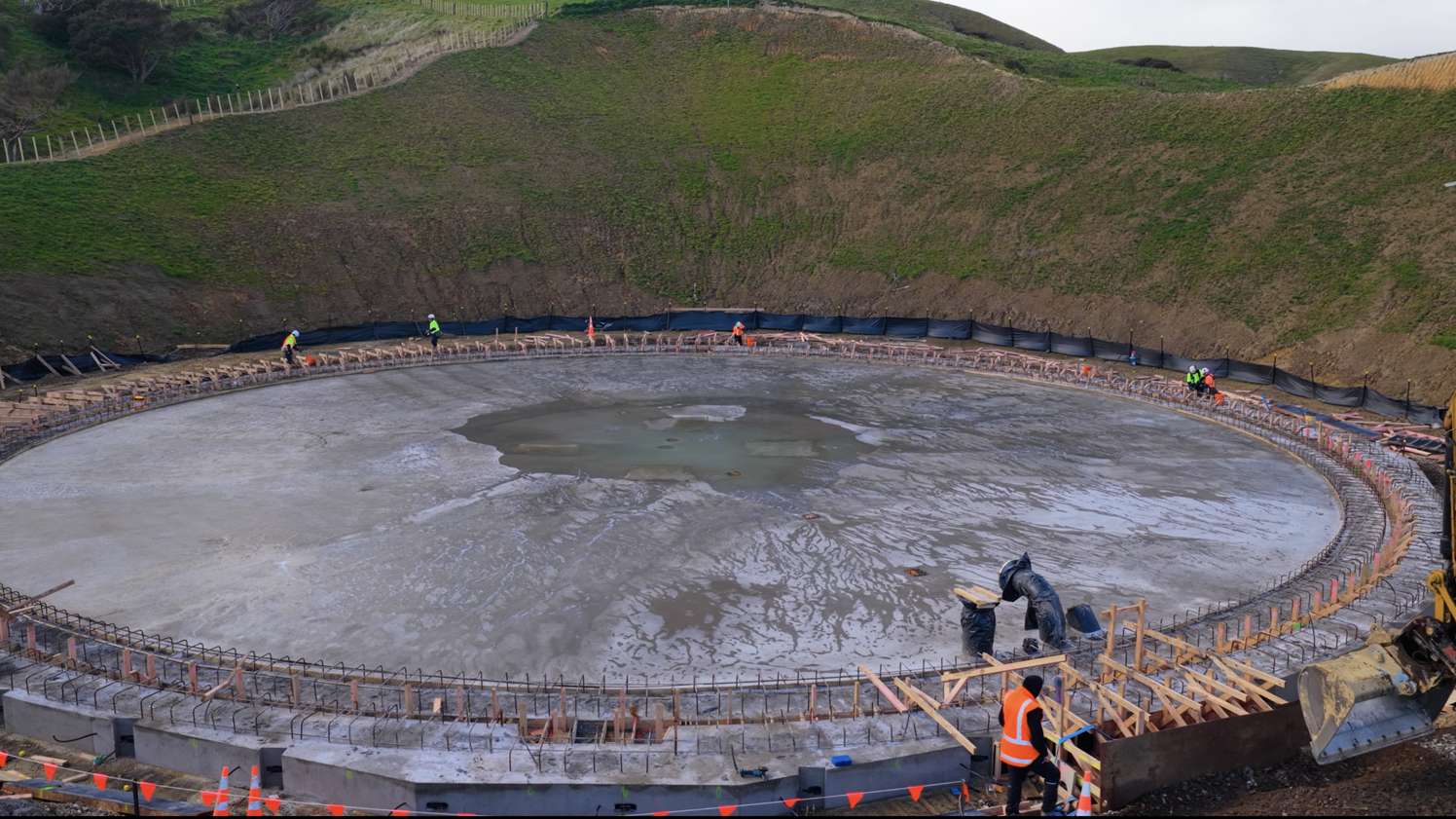
Joining the wastewater tank panels
Over at the wastewater detention tank, the precast wall panels are standing and the team is working through the joins between them.
If you’ve seen the gaps between the panels, they’re intentional. Steel bars extend from each panel into those gaps, which will be filled with concrete in what are called stitch pours. This is how the separate panels become one connected structure. Waterstops will also be installed in the joints to help keep the completed tank watertight.
Most of that work will disappear from view once the tank is finished. It’s a small detail to look at now, but it’s critical to how the tank performs over time.

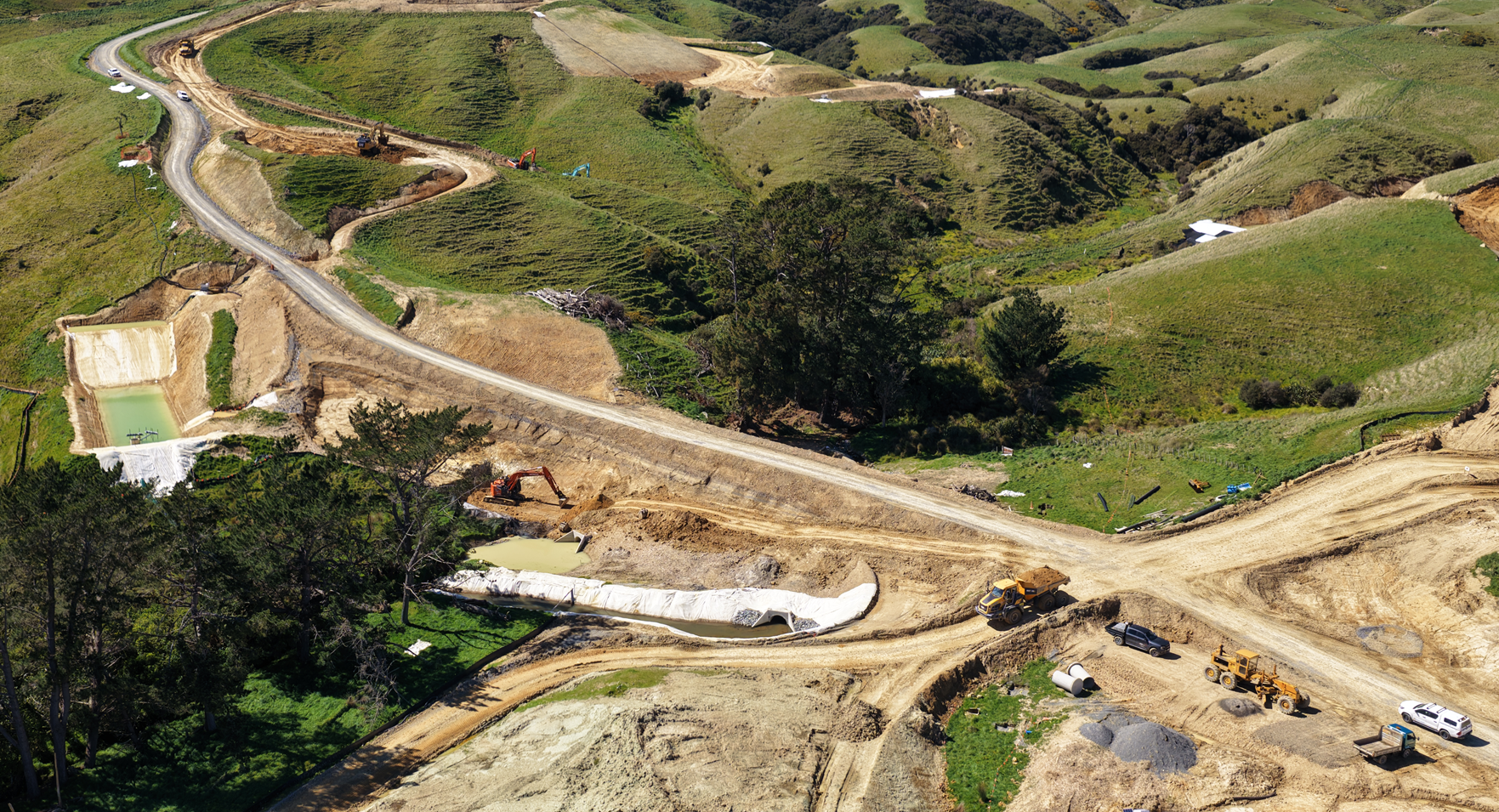
Getting ready for Crusher Gordon
The next big sight on site should be Fulton Hogan’s 280-tonne crawler crane, Crusher Gordon, arriving to stand the reservoir wall panels. It will take 10 flatbed trucks just to bring the crane and its components in.
We’ve upgraded the farm track and installed two large culverts along the route, but the team still needs to confirm the access can safely handle those loads. There’s also no practical way to position the crane behind the reservoir, so it will work from the centre of the new foundation. A 600 mm deep engineered hardfill platform is being built there to spread the crane’s weight and protect the concrete beneath it.
Once the crane is assembled, we’ll start to see the reservoir walls rise around the perimeter. That will be a real change in how this part of the site looks.
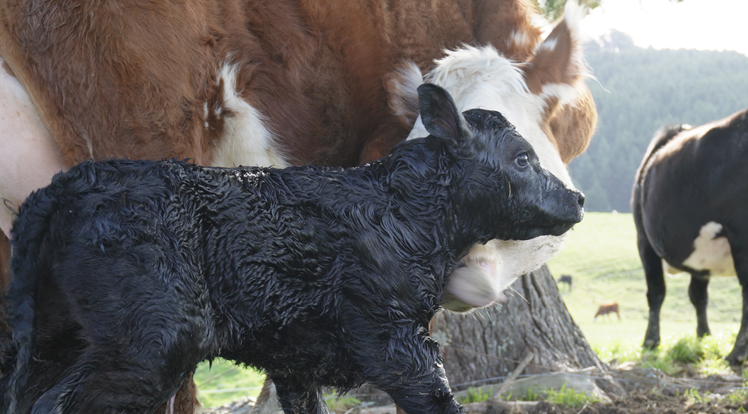
The working farm continues alongside construction
And amongst all of this construction, the first calf of the season has arrived. Plimmerton Farm covers more than 380 hectares, and with development expected to take around 15 to 20 years, farming will continue across the parts of the property we’re not working on.
What you’ll see next
The next update will follow the crane assembly and the start of the panel installation.
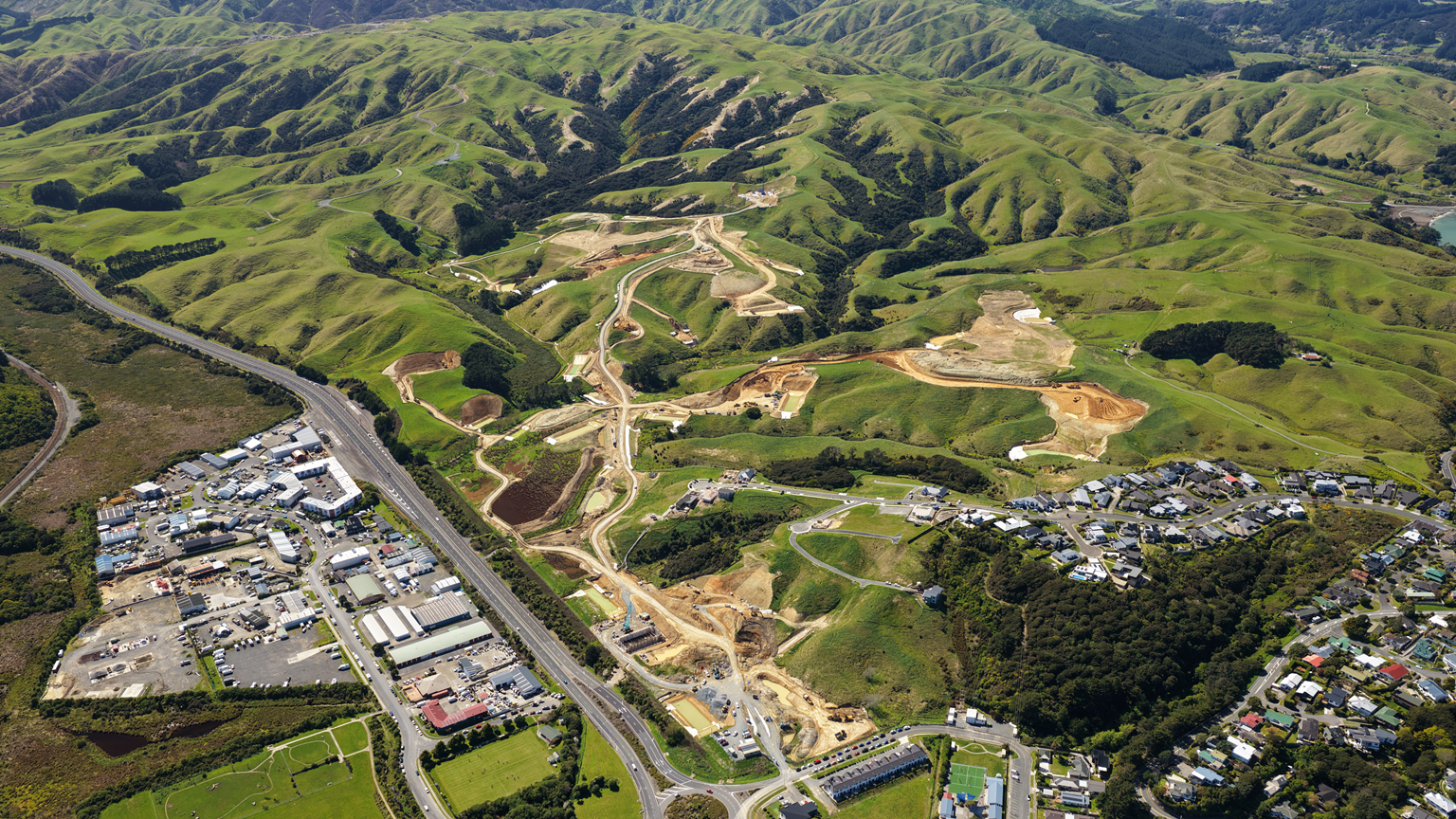
Thank you for following the journey. We look forward to sharing more progress with you in next month's update.
Subscribe for future Plimmerton Farm progress updates and information about upcoming housing, subscribe to our newsletter.