May 2026 Updates
Weathering the Storm (Literally)
If you felt like April brought more than its fair share of rain, you weren’t imagining it.
Wellington was hit by what’s being described as a once-in-a-generation weather event, with a local State of Emergency declared on 20 April after torrential rain and flash flooding swept across the region. At its peak, 77mm fell in under an hour, and over 48 hours we saw nearly three times the typical April rainfall. Roads closed, transport halted, and over 180 emergency callouts were made in just a few hours.
It was a serious reminder of how important good planning and resilient infrastructure really are.
Designed for the Future
One of the key principles behind Plimmerton Farm has always been future-proofing against events like this.
At the heart of this is a combination of engineered stormwater infrastructure, including what will effectively function as a new and restored wetland system. This isn’t just about moving water away quickly, it’s about managing it in a far more controlled and intelligent way.
These systems are designed to capture and temporarily store stormwater during peak rainfall events, slow down water flow to prevent sudden surges downstream, filter and improve water quality before it re-enters natural waterways, and release water in a controlled, staged way over time.
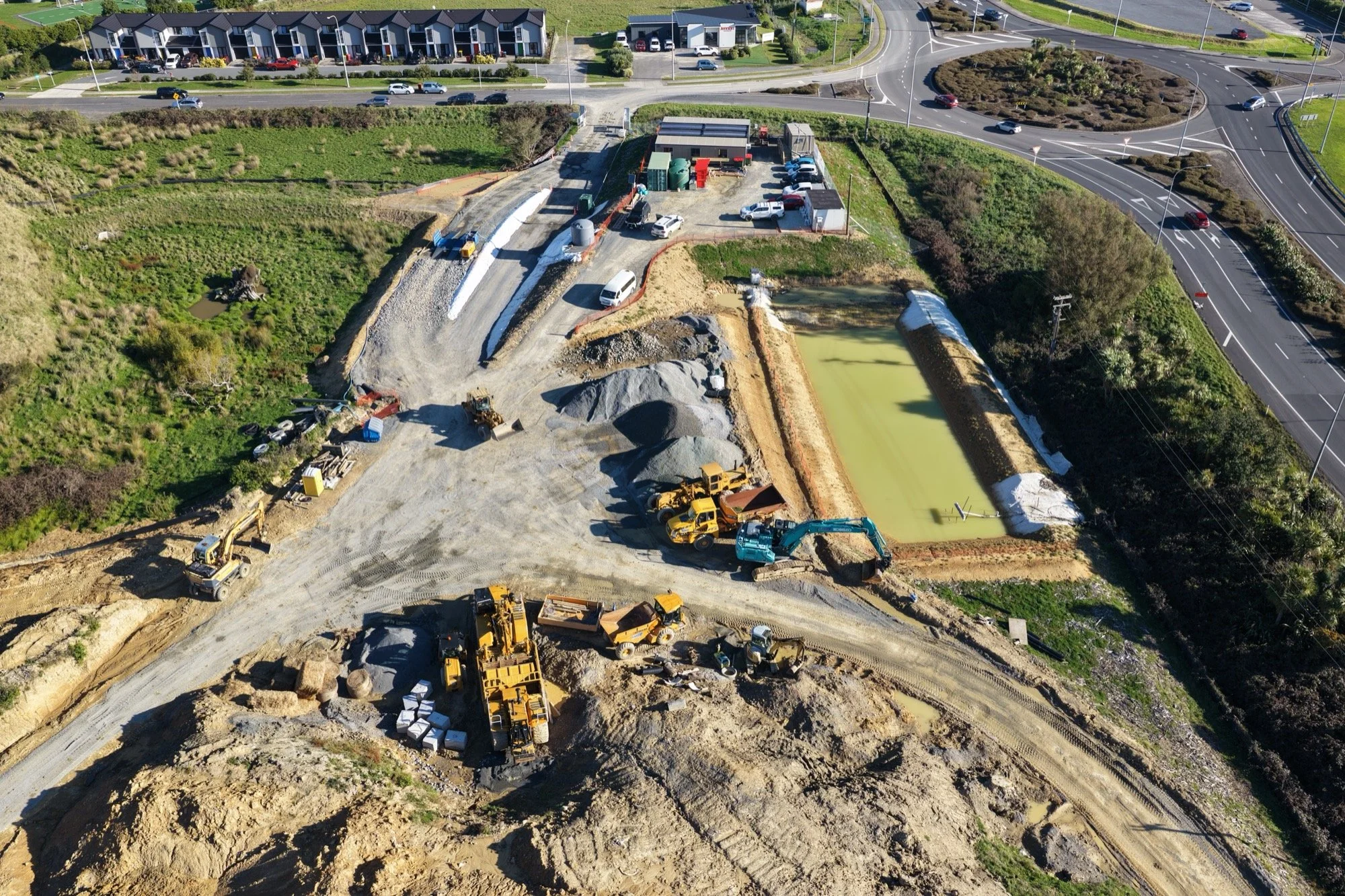
A key pressure point locally has been the James Street roundabout and surrounding low-lying areas. Through a combination of new and restored wetland storage, upgraded drainage networks, and controlled discharge systems, the development is designed to reduce peak flow intensity and lessen the likelihood of flooding in these downstream areas over time.
In simple terms, instead of water rushing through all at once, it is held, managed, and released gradually.
Three Key Infrastructure Contributions
Plimmerton Farm is not just delivering housing, it is delivering major supporting infrastructure for the wider area.
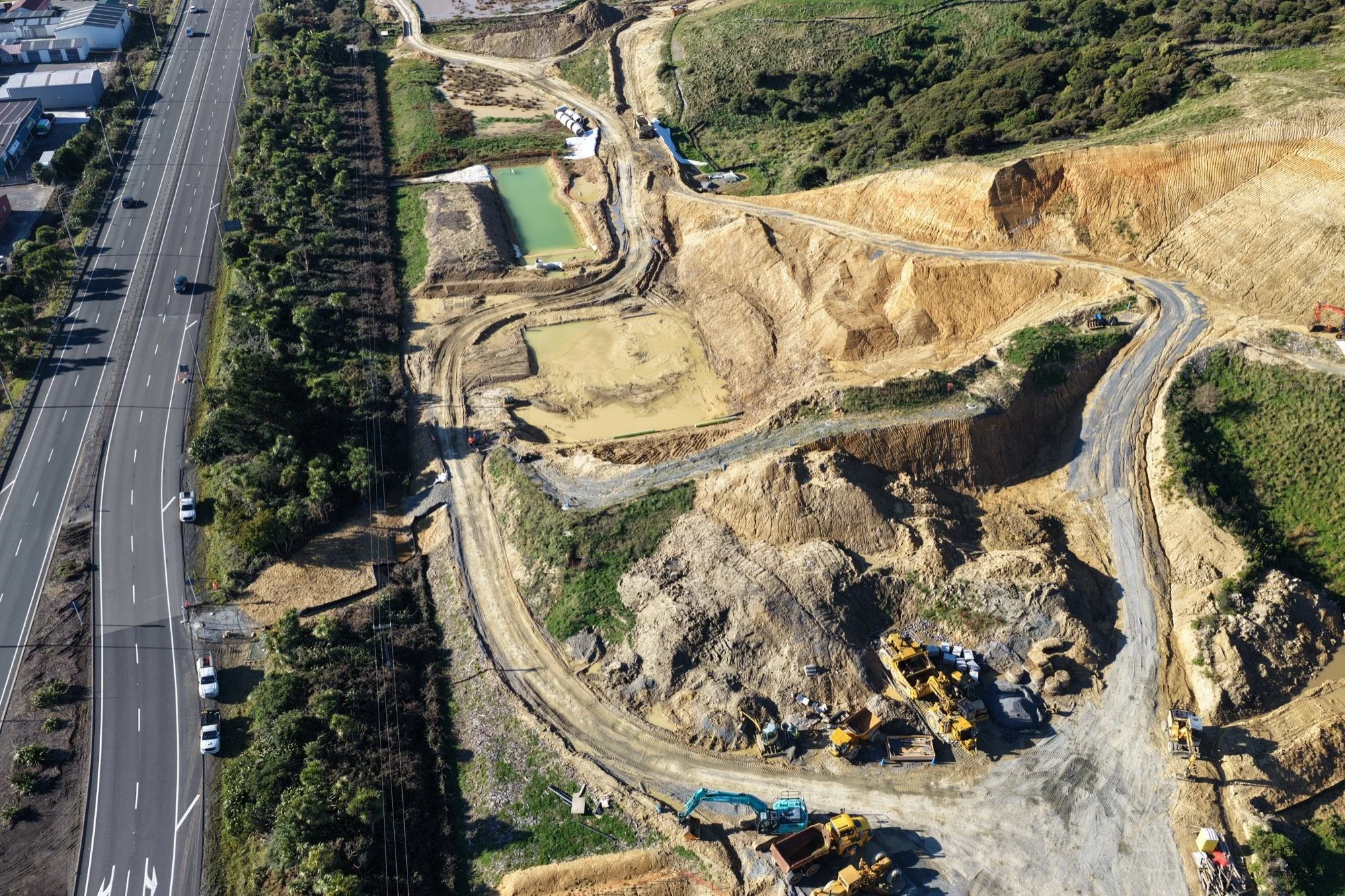
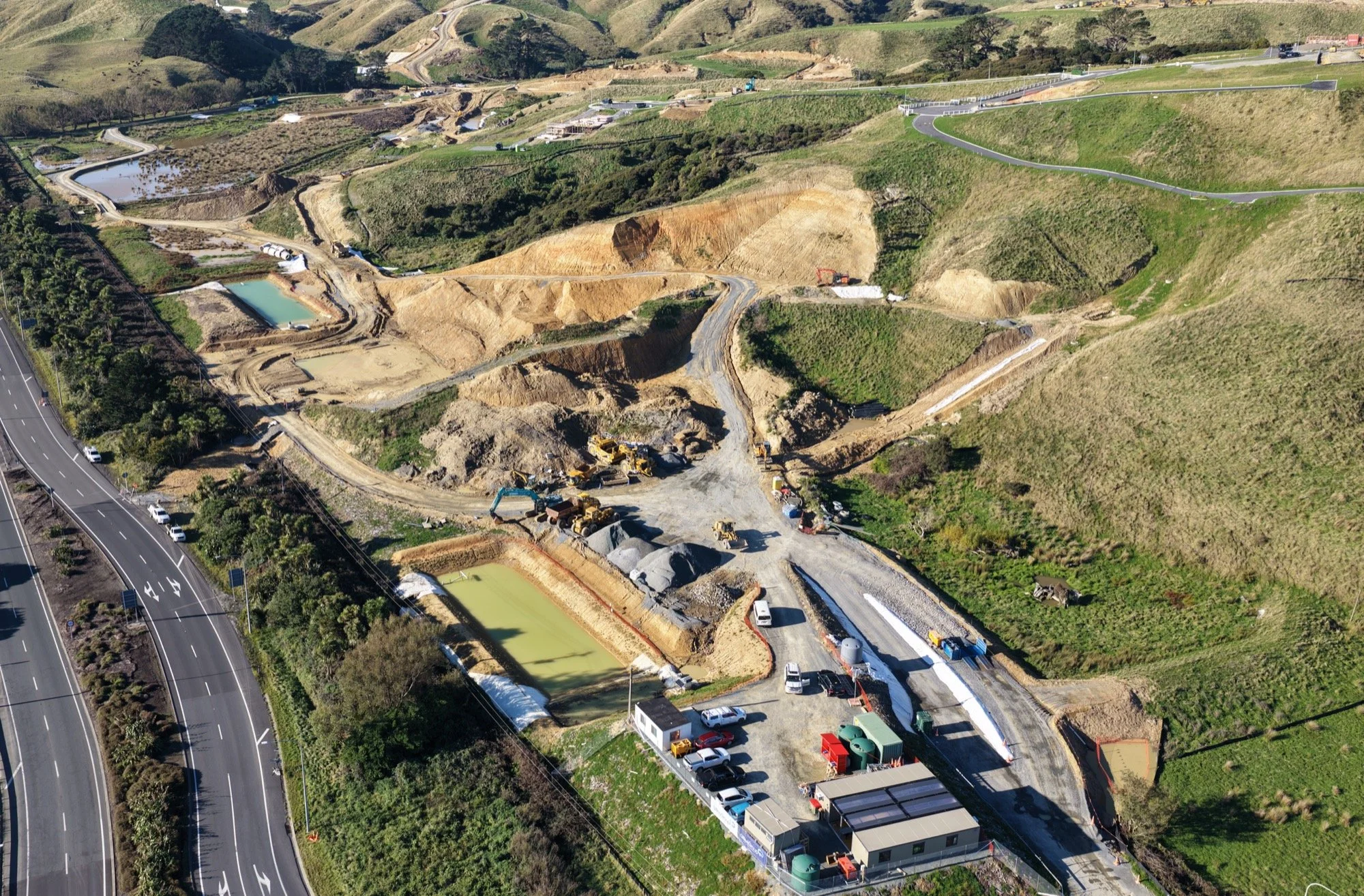
The first is the new and restored wetland and stormwater system. This is a large-scale, integrated solution designed to store, treat, and control water flows, helping reduce downstream flooding risk while also improving environmental outcomes.
The second is the water reservoir, which will provide increased storage capacity and improved pressure resilience for current and future residents. This is a critical piece of infrastructure for both day-to-day use and long-term network stability.
The third is the wastewater pump station. This enables modern, reliable wastewater servicing and supports both the development itself and the wider network.
Together, these elements form a future-focused infrastructure platform designed to support growth while improving resilience across the area.
Progress on Site
Prior to the storm, the team had built up strong momentum across multiple fronts, which has put us in a solid position to push forward again quickly.
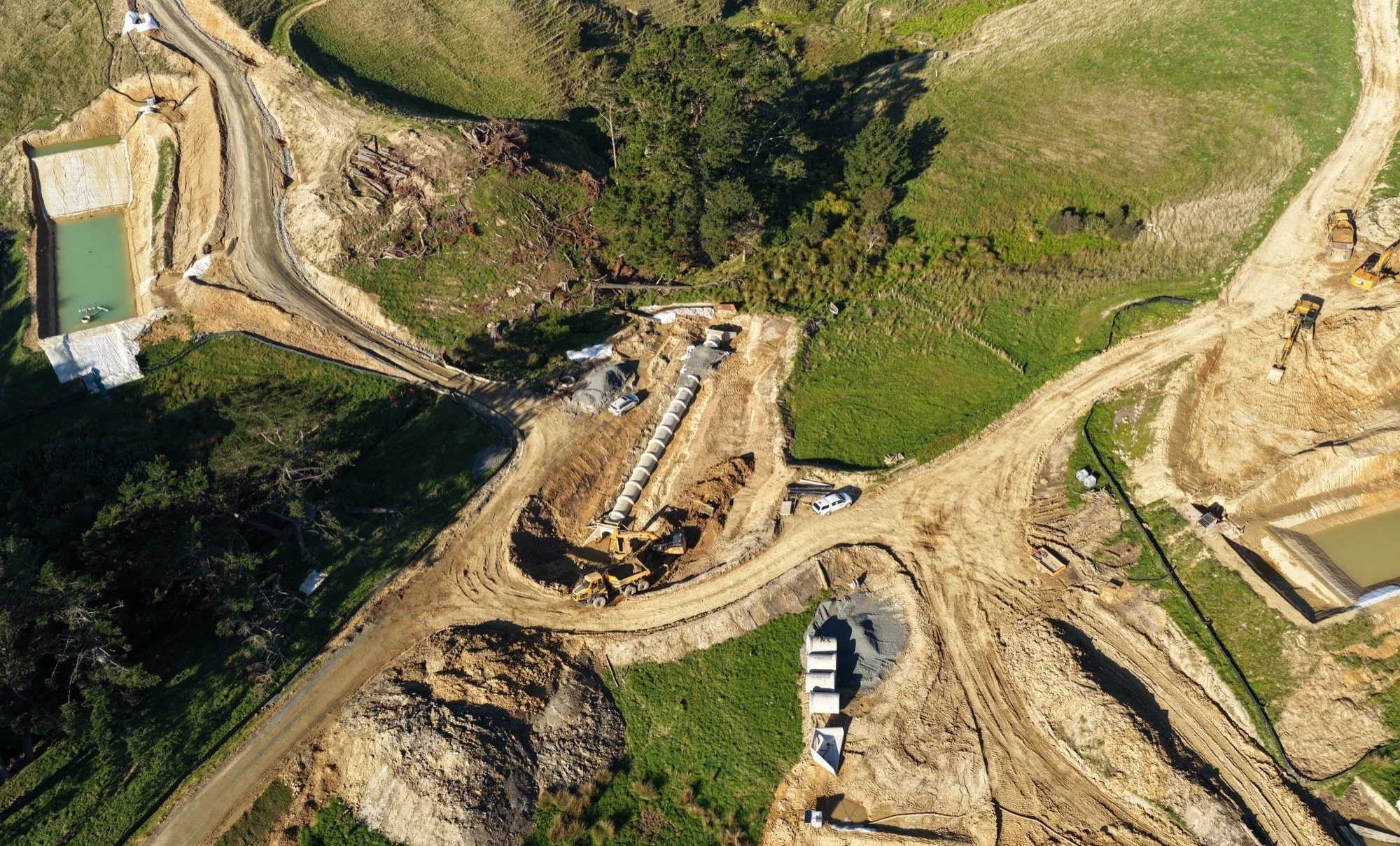
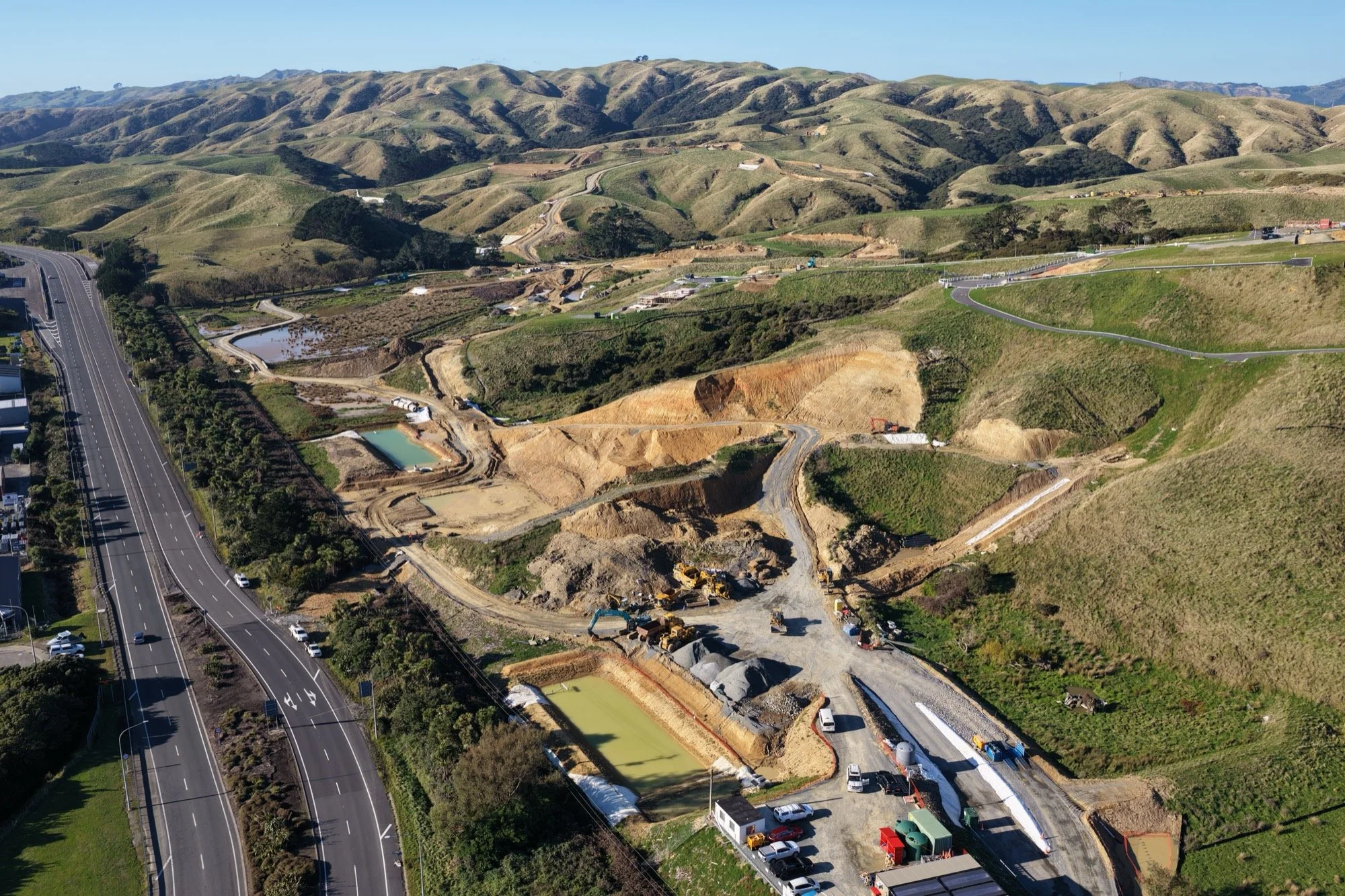
Despite the storm setting us back around two weeks, progress remains steady. Works have begun on the wastewater pump station at the lower flats near the state highway. Earthworks crews have nearly completed Fill 6 in Zone 2, with Fill 5 up next. Platforms are being established to enable delivery of the first 114 lots in the second half of next year.
Key infrastructure milestones have continued to move forward, with Culverts 1 and 2 and 3B completed, and Culvert 3A currently underway. This is a critical step in forming the main access route into the development.
This access route is a major piece of the puzzle, connecting the lower site through to Zone 2 and up to the future reservoir. It is one of the key pinch points in the project, and unlocking it is an important step forward.
Storm Recovery Works
The recent weather event required a full site response. This included repairing and reinforcing silt fences, cleaning out and maintaining sediment ponds, managing and treating stormwater runoff, and strengthening haul roads and drainage channels.
It is not the most visible part of the project, but it is essential work to keep the site stable, compliant, and progressing safely.
Looking Ahead
A winter works programme has been submitted, working closely with Greater Wellington Regional Council to ensure progress can continue safely through the wetter months. Wastewater infrastructure upgrades are ongoing, with further diversions planned.
Like many projects, we are also navigating rising fuel costs, which continue to add pressure across the programme.
The Bigger Picture
While the storm caused disruption, it also reinforced something important.
Developments like Plimmerton Farm are not just about creating sections, they are about building resilient communities. This storm was not something that could have been prevented, but it is exactly the kind of event the development has been designed to respond to once fully complete.
From new and restored wetlands to major infrastructure upgrades, every decision is made with the long term in mind, not just for future residents, but for the wider Plimmerton community as well.
We will keep pushing ahead and sharing progress as it happens.
Thanks for following the journey, and if you know someone thinking about making a move, please have them subscribe to our newsletter and we will be able to release information on upcoming housing when it becomes available.
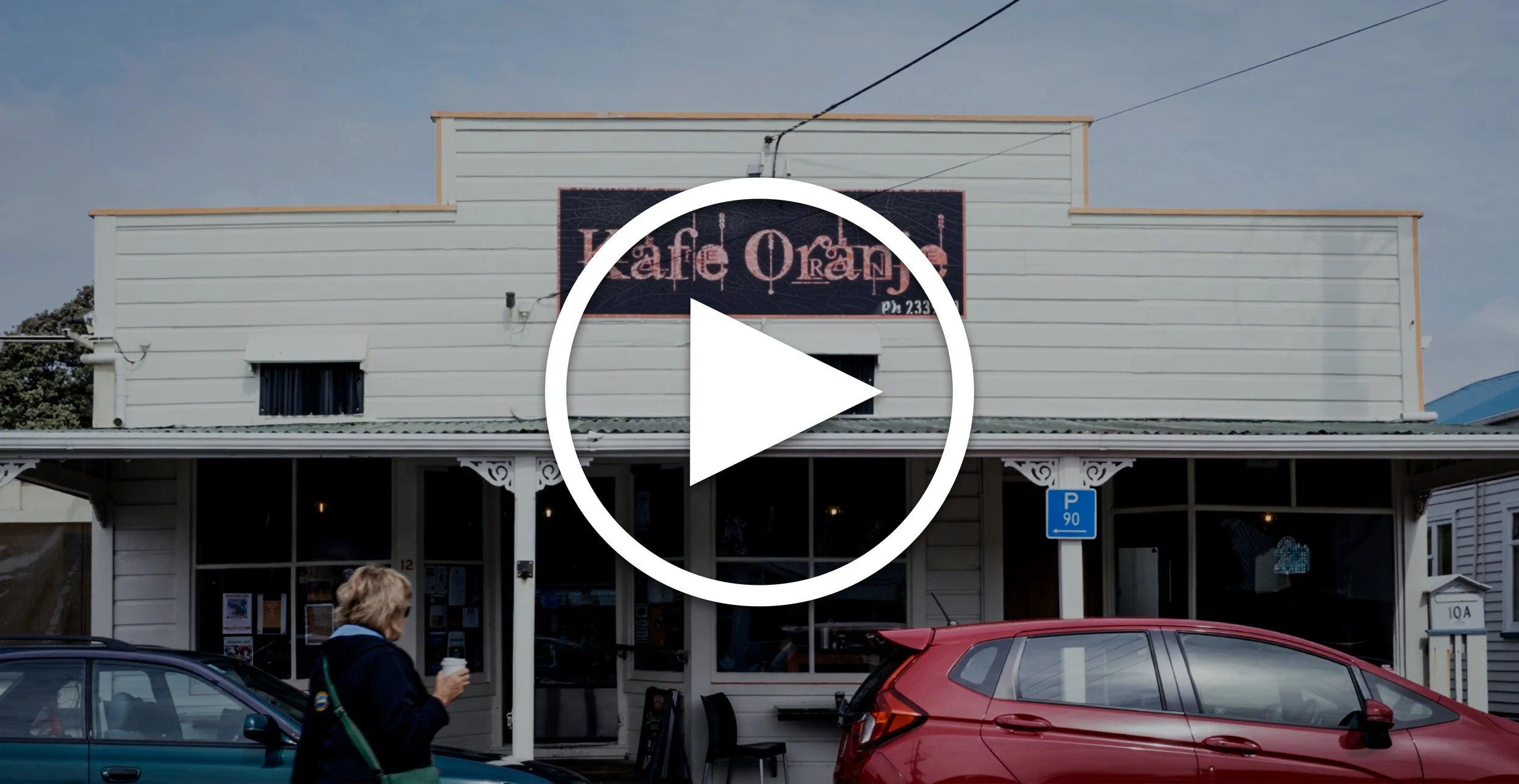
Local Business Highlight: Kafe Oranje, Plimmerton
A local favourite in Plimmerton, Kafe Oranje is known for its welcoming atmosphere and standout food. In our short video, chef Piero shares what makes the café special — his passion for quality ingredients, thoughtful flavours, and creating food that people genuinely enjoy coming back for. Paired with great coffee and a relaxed coastal vibe, Kafe Oranje is a place where locals linger and visitors are always made to feel at home.