
July 2026 Updates
This month at Plimmerton Farm, there has been strong progress across several key areas of the development, from major infrastructure works through to environmental restoration.
With winter now upon us, the team is working within the tighter controls that come with developing land in Wellington during the winter works season. Even with those added challenges, important progress continues on site — including the wastewater detention tank, the six-megalitre water reservoir, the main entrance road, stock-proof fencing, and this season’s native planting programme.
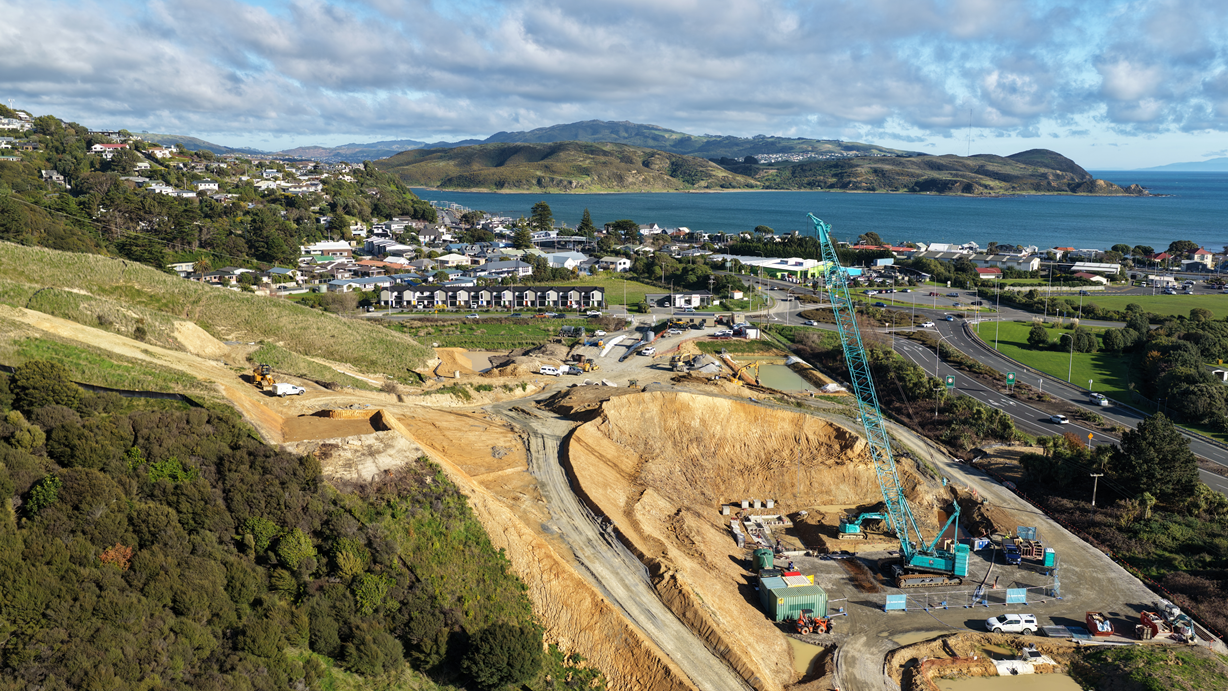
Wastewater detention tank progress
Fulton Hogan have continued work on the wastewater detention tank, a major piece of infrastructure for the development.
The tank will be constructed using precast concrete panels, with large one-tonne concrete blocks being prepared to help stabilise the panels while they are installed and joined together. Work is also underway on the foundations, which include a significant amount of reinforcing steel before the concrete is poured.
This type of infrastructure is not always visible once a development is complete, but it is critical to the long-term servicing of the site. Wastewater detention helps manage flows through the network and provides capacity for the future community as the development progresses.
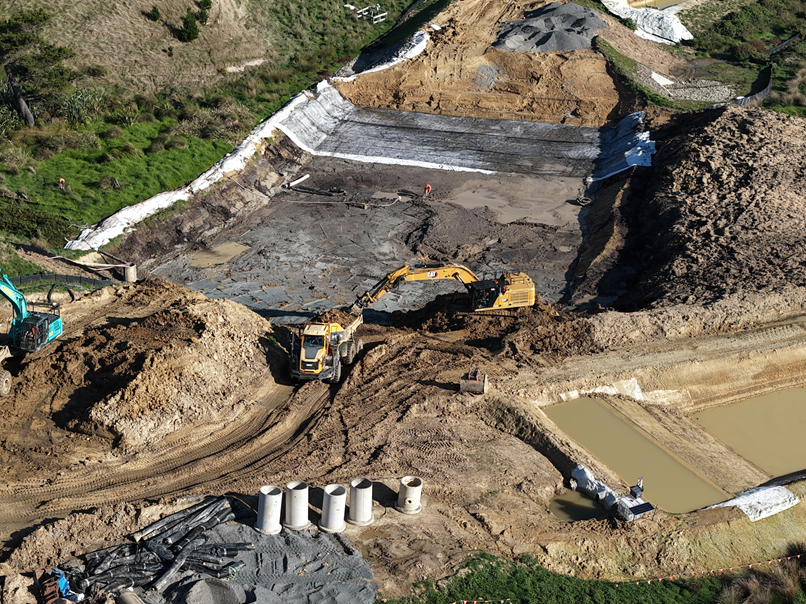
Main entrance road and ground conditions
Work is also progressing on the main entrance road, which will come in from James Street, run along the lower part of the site, and climb up through the development.
One of the key challenges in this area has been the ground conditions. The team has encountered peat and soft sediment, which is not suitable to build a road on. To solve this, the unsuitable material is being undercut and removed until solid ground is reached.
From there, the road will be rebuilt using geotextile fabric and engineered fill to create a stable base.
This is a good example of the hidden work that goes into building a reliable road. Before the finished surface can be seen, the underlying ground has to be properly prepared so it can support the road, services and future traffic.
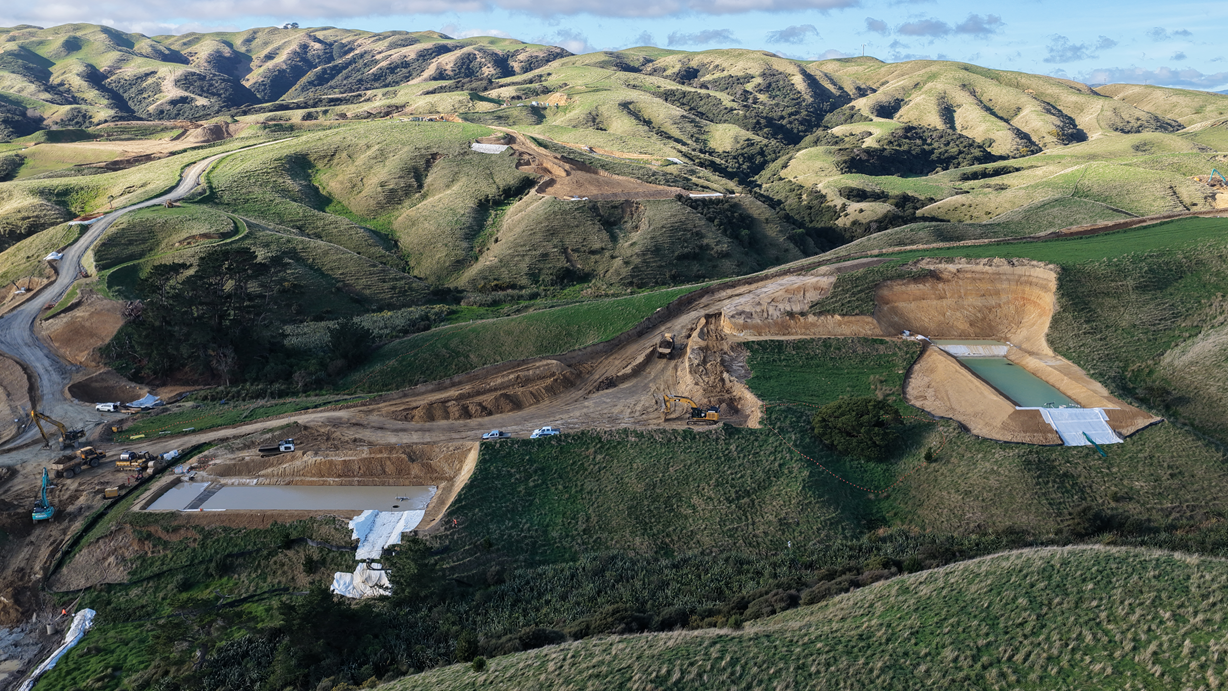
Managing water on a Wellington site
Developing on sloping land brings extra complexity, especially when it comes to stormwater and sediment control.
At Plimmerton Farm, the team is creating platforms and sediment retention ponds to capture and manage water running off the site. On steep terrain, water moves quickly, so it needs to be carefully controlled to prevent erosion and reduce sediment entering waterways.
This is one of the big differences between developing a sloping Wellington site and working on flatter, freer-draining ground. More planning, earthworks and environmental controls are needed to manage water safely and responsibly.
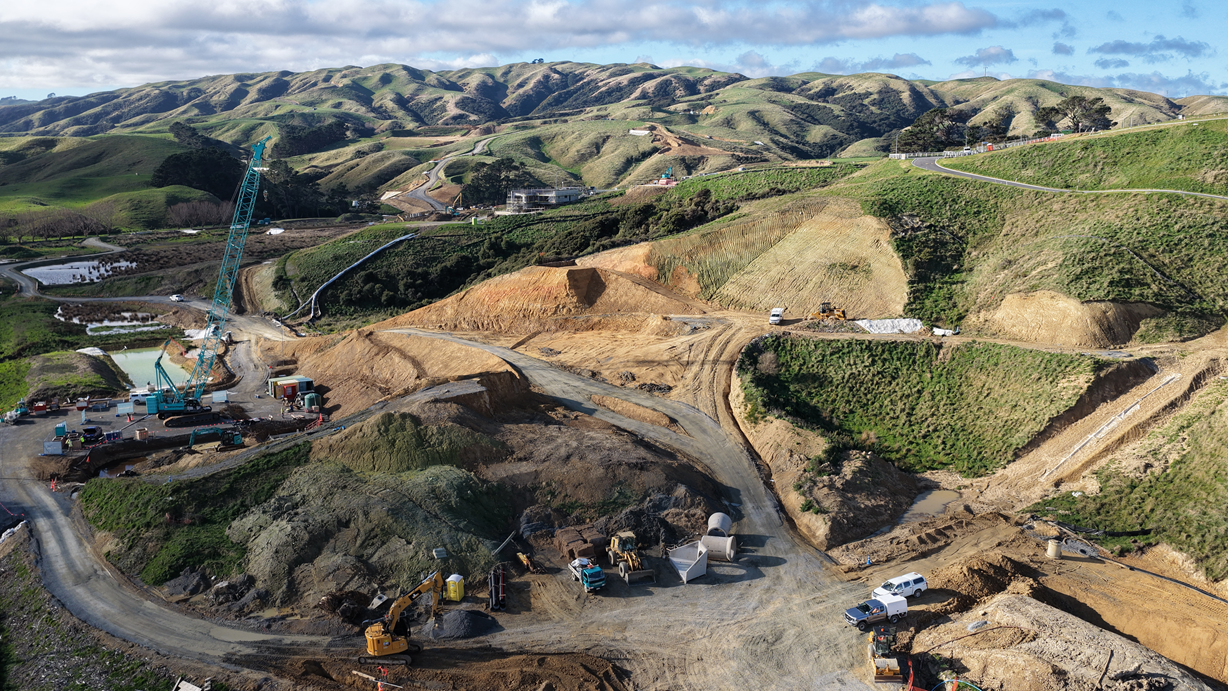
Winter works: what it means for the site
One of the major topics this month is the winter works season.
In Wellington, earthworks are more restricted between June and October. During this period, development sites have to operate under tighter environmental controls, and only certain works can continue depending on the approvals in place.
That does not mean all work stops. Civil construction, infrastructure works and selected earthworks can still continue where appropriate, but the open earthworks areas are more limited and closely managed.
For Plimmerton Farm, winter works planning is especially important because there is still a large amount to complete over the next 18 months. Key priorities include bringing the water reservoir online, completing the wastewater detention tank, progressing the main entrance road from James Street, and preparing the first housing areas.
Water reservoir taking shape
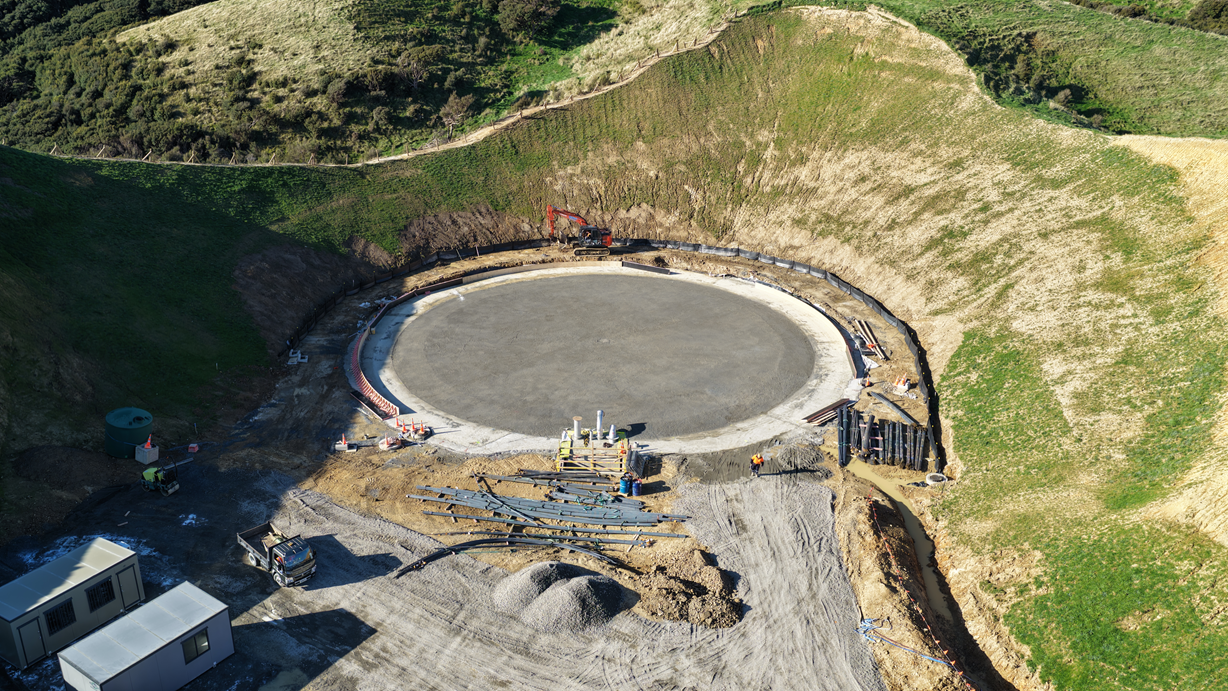
There has also been strong progress on the new six-megalitre water reservoir.
The concrete ring foundation has now been laid. This ring will support 44 precast concrete panels, which will form the outside of the reservoir. The next major step is the reservoir base — a 500mm foundation slab requiring around 400 cubic metres of concrete.
The base has been designed differently from a typical house slab. Instead of being flat, the sand beneath it has been shaped to fall toward drainage points. This allows water beneath the reservoir foundation to be managed properly.
The slab will also be post-tensioned, meaning tendons within the concrete will be tensioned after the pour. This strengthens the structure and helps reduce shrinkage cracking, which is especially important for a water-holding structure.
Fencing to protect future restoration areas
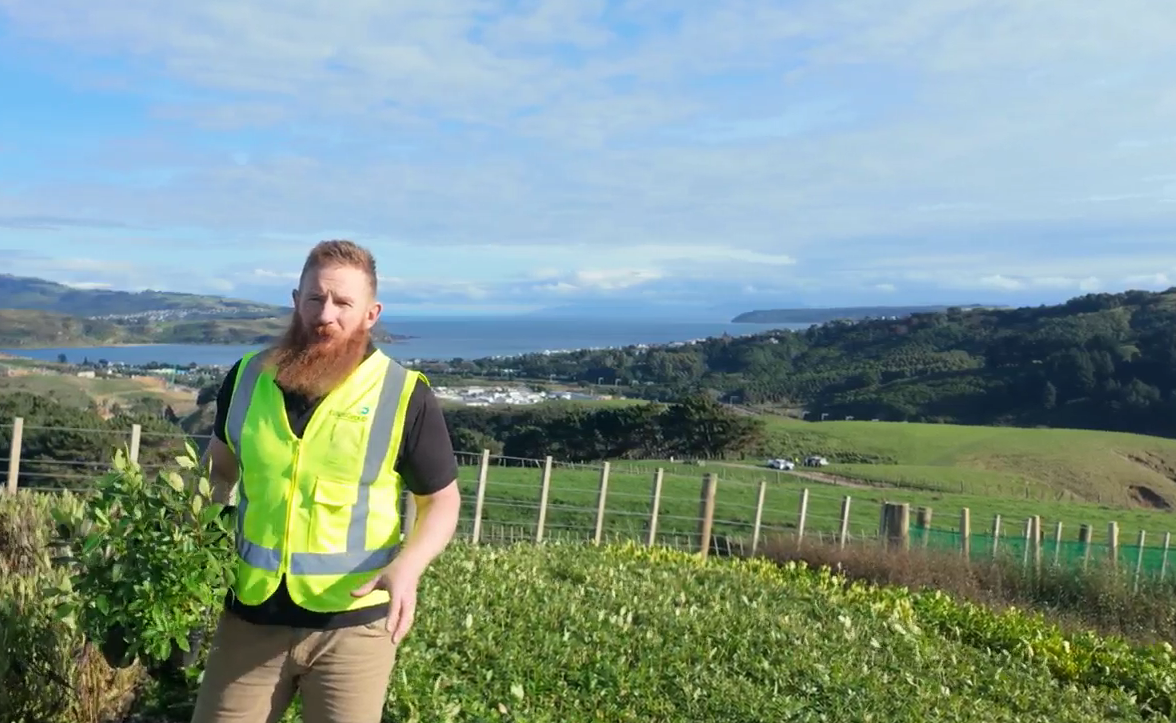
This month we also caught up with the fencing work happening across the farm.
Adam has already completed around four kilometres of eight-wire fencing across challenging terrain. The fencing is being installed around areas that will eventually be vested with Council, as well as native planting zones, wetland areas and retained bush.
The purpose is simple but important: to keep stock out and protect the restoration areas as they establish.
Good fencing is a key part of environmental restoration on working farmland. Without it, new planting and sensitive wetland areas can be damaged before they have a chance to properly grow.
70,000 native plants going in this season
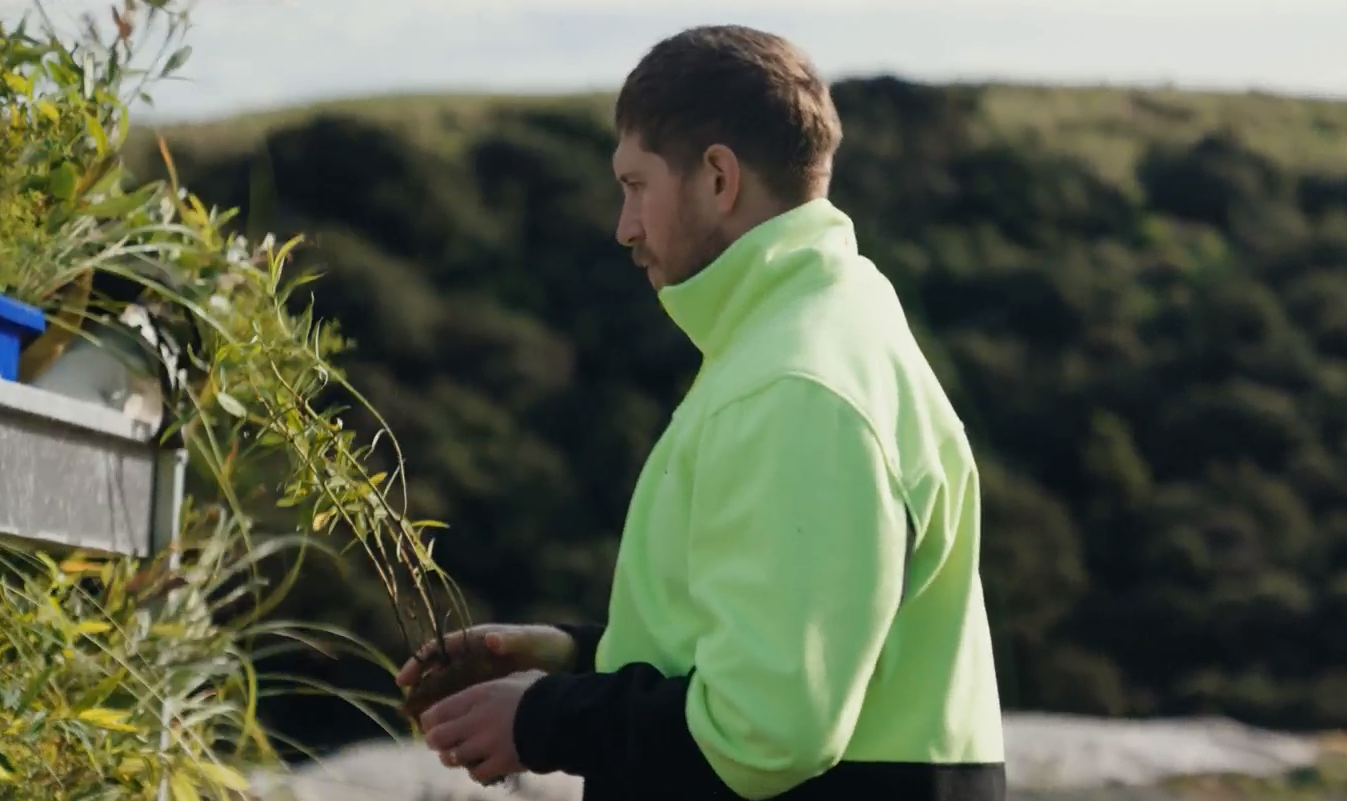
One of the most exciting parts of this month’s update is the beginning of the native planting programme.
The team from Aorangi are now underway with planting, with 70,000 native plants scheduled to go into the ground this season alone.
This planting programme is a major part of the wider restoration work at Plimmerton Farm. It will help enhance existing wetland areas, increase planting buffers, support biodiversity, and shape the future landscape of the development.
While the earthworks and infrastructure are important to the physical development of the site, the planting programme is what will help soften the landscape and create long-term environmental value.
Looking ahead
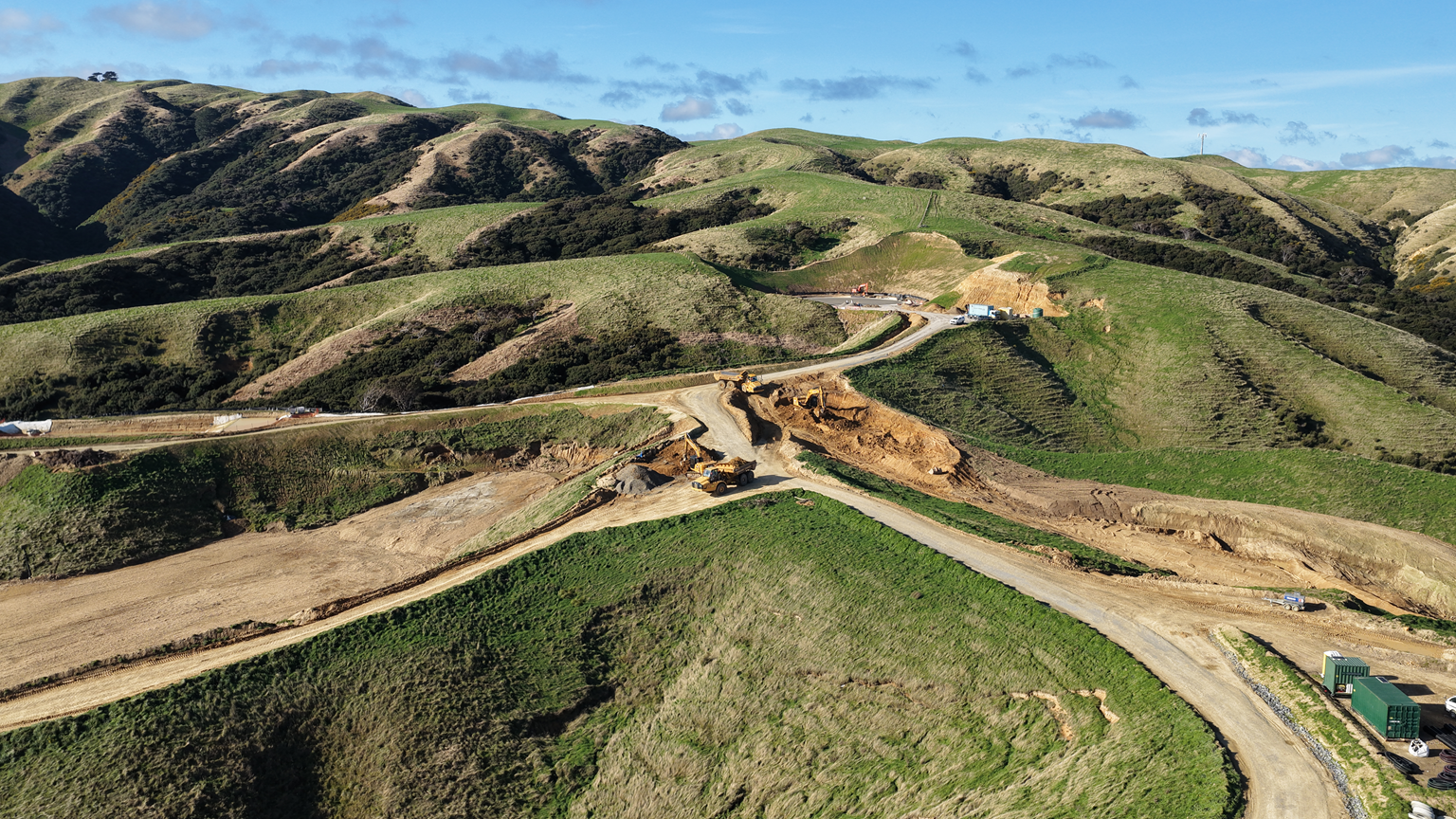
The next 18 months are a critical period for Plimmerton Farm.
The focus remains on delivering the core infrastructure needed to support the development, while continuing to manage the site responsibly through winter conditions. Key works include the reservoir, wastewater detention tank, James Street entrance, earthworks for the first housing areas, fencing, and environmental restoration.
There is still a lot to do, but the progress on site is clear. Roads are taking shape, major infrastructure is moving forward, restoration planting has begun, and the future form of Plimmerton Farm is becoming easier to see.
We look forward to sharing more progress in the next update.
Thanks for following the journey, and if you know someone thinking about making a move, please have them subscribe to our newsletter and we will be able to release information on upcoming housing when it becomes available.